When shopping for candles, you may have seen phrases like “phthalate-free”, “clean fragrance” or “ingredient transparency” appearing more and more often.
But what exactly are phthalates? Why do some candle brands choose to avoid them? And what do they have to do with the fragrance inside your favourite candle?
At WILDRACE, we believe customers deserve honest information about the products they bring into their homes. Rather than using scary marketing, we want to explain the science behind fragrance ingredients so you can make informed choices.

https://www.niehs.nih.gov/health/topics/agents/endocrine
What are phthalates?
Phthalates (pronounced “thal-ates”) are a group of chemicals commonly used in many industries. They have historically been used to make plastics more flexible, improve product performance, and help fragrances last longer.
In fragrance products, certain phthalates have been used as solvents or fragrance stabilisers because they can help scent molecules evaporate more slowly, allowing a fragrance to last longer.
You may find phthalates used in products such as:
- Fragrances and perfumes - including candles
- Cosmetics and personal care products - skincare, sun cream etc
- Household products - cleaning products, room sprays
- Some plastic materials
Not all phthalates are the same. There are many different types, and they have different properties and safety profiles.
Why are people concerned about phthalates?
Some phthalates have been studied for their potential effects on human health, particularly those classified as endocrine-disrupting chemicals.
Endocrine-disrupting chemicals are substances that may interfere with the body's hormone system. Hormones play important roles in many processes including growth, metabolism and reproduction.
Research into certain phthalates has raised concerns around possible links between exposure and hormone-related effects. Because of these concerns, some types of phthalates have been restricted or banned from certain uses in many regions. Unfortunately the regulations are not very strict and a lot of phthalates are still used, particularly in the home fragrance sector.
It is important to remember that risk depends on many factors, including:
- The specific chemical involved
- The amount of exposure
- How someone is exposed
- The length of exposure
The presence of a chemical does not automatically mean something is harmful. Science looks at exposure levels and evidence, not just whether an ingredient exists.
Are candles a major source of phthalate exposure?
Candles are one potential source of fragrance exposure, alongside many other scented products used in everyday life.
Modern fragrance safety regulations require fragrance ingredients to meet specific safety standards, and responsible fragrance suppliers carefully assess ingredients before they are used.
However, many customers are increasingly interested in reducing unnecessary exposure to certain ingredients and choosing brands that prioritise transparency.
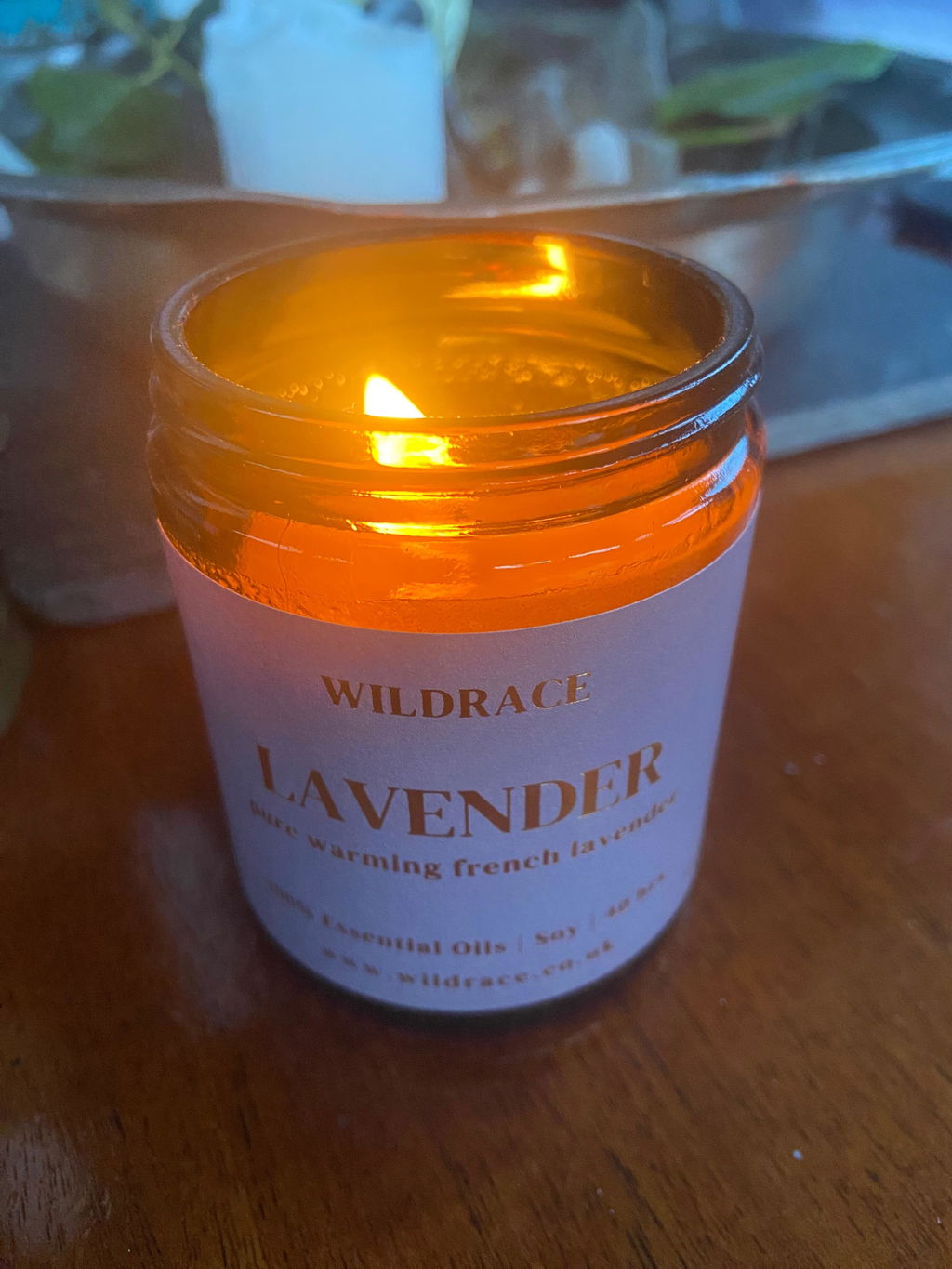
This is why WILDRACE chooses to work with fragrance suppliers who provide detailed ingredient information and why our candles are made without added phthalates. In fact, these days we mostly craft our own fragrances to ensure we have full control of the ingredients.
What are endocrine-disrupting chemicals?
The endocrine system is the body's hormone communication network. It helps regulate many essential functions, including:
- Energy balance
- Development
- Reproduction
- Stress responses
Endocrine-disrupting chemicals (sometimes shortened to EDCs) are chemicals that may interact with this system.
Some examples of chemicals that have been researched for potential endocrine effects include certain:
- Phthalates
- Parabens
- Bisphenols
Research into endocrine disruption is ongoing, and scientists continue to investigate how different chemicals affect human health.

Click to watch
Why this topic matters to me as a founder
My interest in fragrance ingredients isn't just professional, it is also personal.
Living with PCOS and Endometriosis made me much more aware of the conversations around hormones, ingredients and the products we use every day. Like many people managing hormone-related health conditions, I started looking more closely at what was inside the products I surrounded myself with.
This doesn't mean that every ingredient used in everyday products is harmful, or that a single product can be blamed for complex health conditions. Science is much more complicated than that.
But it did make me ask an important question:
If we can make thoughtful choices about the ingredients we use, why wouldn't we?

Jordan, Wildrace's Founder
Why do some candle brands avoid potential endocrine disruptors?
Many consumers choose products without certain ingredients because they want to simplify what they bring into their homes.
At WILDRACE, our approach is simple:
We believe in choosing ingredients carefully, understanding what goes into our products, and avoiding ingredients that we do not believe are necessary.
Our candles are:
✓ Made with soy wax
✓ Made with 100% cotton wicks
✓ Free from parabens
✓ Free from phthalates
✓ Vegan friendly
✓ Packaged without plastic
We don't believe in claiming that every candle containing a particular ingredient is automatically dangerous. Instead, we believe in giving customers the information they need to choose what aligns with their own values.
How can you choose a more transparent candle brand?
When buying candles, look beyond marketing buzzwords and ask:
Does the brand explain its ingredients?
A trustworthy brand should be willing to explain what materials they use and why.
Are fragrance claims backed up?
Terms like “clean”, “natural” and “safe” can mean different things depending on the brand. Look for specific information rather than vague promises.
Does the company understand fragrance science?
Fragrance is complex. A responsible candle maker should understand that scent creation involves chemistry, safety testing and careful ingredient selection.
The WILDRACE approach: honesty over hype
The candle industry is full of beautiful products, but customers are becoming more curious about what sits behind the label.
We believe luxury should not just be about how a candle looks or smells. It should also be about trust.
That means being honest about ingredients, explaining the science, and continuing to improve the products we create.
Because a beautiful candle should bring comfort to your home - without leaving you questioning what is inside it.

Frequently Asked Questions
Are phthalates banned in candles?
No. Regulations vary depending on the specific phthalate and region. Some phthalates are restricted for certain uses, while others may still be permitted. Many candle brands choose to avoid added phthalates as a personal formulation choice. It is actually more common for a candle to contain phthalates than it is for it to be free-from.
Are phthalate-free candles safer?
“Safer” depends on the specific ingredient, exposure level and individual circumstances. Choosing a phthalate-free candle is one way some consumers reduce their use of certain ingredients they prefer to avoid.
Are soy candles better than paraffin candles?
Soy wax and paraffin wax have different properties. Soy wax is a plant-based wax that many customers choose because of its renewable origin and anti-allergen properties. The overall candle experience also depends on the fragrance, wick, manufacturing process and burning conditions.
What makes a candle transparent?
A transparent candle brand explains its ingredients, manufacturing choices and reasons behind its formulations rather than relying only on vague marketing claims.