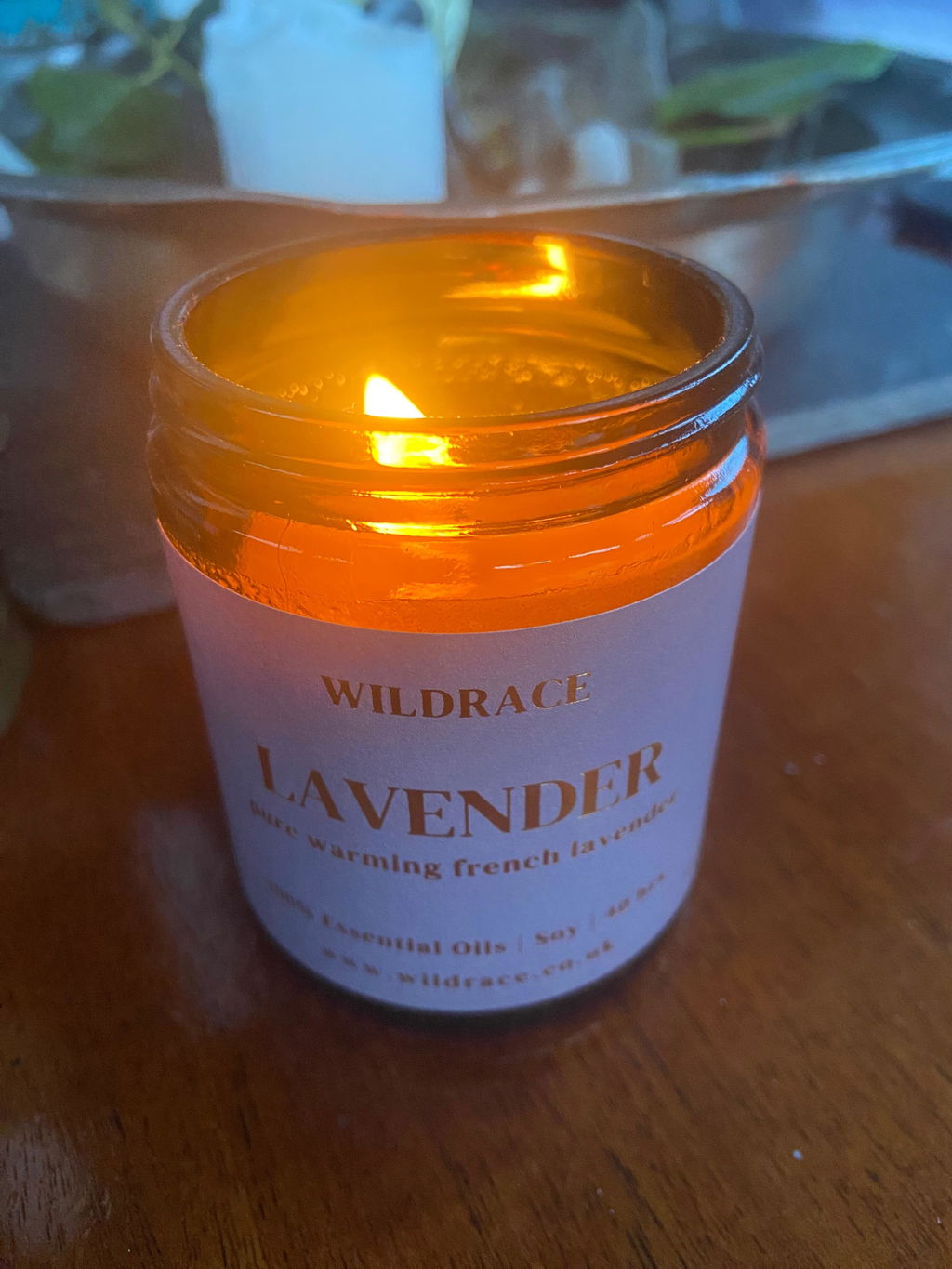
When people think about conservation, they often picture rainforests, oceans, wildlife, and national parks.
What rarely comes to mind is the candle sitting on a coffee table.
Yet every product we bring into our homes has an environmental footprint. From the ingredients used to make it, to the way it's produced, packaged, and transported, every purchase has an impact.
This World Conservation Day, we wanted to explore some of the biggest misconceptions surrounding candle sustainability and explain why understanding where your candle comes from matters.
🌍 Conservation Starts Closer to Home Than You Think
Conservation isn't just about protecting distant ecosystems. It's also about making informed choices in our everyday lives.
The products we buy create demand. That demand influences farming, manufacturing, transportation, and resource extraction around the world.
A single candle might seem insignificant, but when millions are sold every year, the materials used begin to matter.
That's why understanding the ingredients in your candle is so important.

🕯️ Fact #1: Most Conventional Candles Are Made From Petroleum
One of the biggest surprises for many consumers is learning where paraffin wax comes from.
Paraffin wax is a by-product of crude oil refining. After petroleum is extracted from the earth and processed into fuels and other products, paraffin wax is one of the materials that remains.
This doesn't automatically make paraffin candles "bad," but it does mean they are derived from a non-renewable fossil fuel.
Unlike plants, fossil fuels cannot simply be regrown or replenished within a human lifetime.
This is one reason why many environmentally conscious consumers choose plant-based alternatives such as soy wax, coconut wax, or rapeseed wax.
🌱 Fact #2: The Soy Wax Debate Is More Complicated Than Social Media Suggests
One criticism often directed at soy wax is its connection to deforestation.
At first glance, this sounds alarming.
However, the reality is more nuanced.
The vast majority of global soybean production is used as livestock feed. Soybean meal is a major component of animal agriculture around the world.
Soy wax, by comparison, represents only a very small fraction of overall soybean demand.
This doesn't mean soy farming has no environmental impact. Every agricultural crop requires land, water, and resources.
But it does mean that statements such as "soy candles are causing deforestation" often oversimplify a much larger issue.
The more relevant question is often:
"Is a renewable plant-based resource preferable to a fossil-fuel-derived resource?"
For many consumers, the answer is yes.
🧪 Fact #3: Fragrance Can Have an Environmental Footprint Too
When people discuss sustainable candles, wax usually gets all the attention.
Fragrance is often overlooked.
Many mass-produced candles use entirely synthetic fragrance blends. These can contain dozens or even hundreds of different aroma chemicals designed to replicate natural scents.
Synthetic fragrances have allowed incredible innovation within the fragrance industry, but they are also manufactured through industrial chemical processes.
Natural essential oils, by contrast, are extracted directly from plants such as lavender, peppermint, eucalyptus, lemon, and rosemary.
Neither approach is completely impact-free, but understanding the difference helps consumers make more informed decisions about the products they use.

🌿 Fact #4: Biodiversity Is Responsible for Many of the Scents We Love
Have you ever thought about where essential oils come from?
💜 Lavender requires thriving agricultural ecosystems.
🍋 Citrus oils depend on healthy orchards.
🌲 Forest botanicals rely on healthy woodland environments.
🌸 Floral oils depend heavily on pollinators.
Without biodiversity, many of the ingredients used in fragrances, skincare, food, and wellness products would become increasingly difficult to produce.
Protecting nature isn't just about saving species.
It's about protecting the ecosystems that provide resources humans use every single day.
📦 Fact #5: Packaging Matters More Than You Think
The environmental impact of a candle doesn't stop at the wax.
Packaging plays a significant role too.
Questions worth asking include:
✔ Is the packaging recyclable?
✔ Is unnecessary plastic being used?
✔ Can containers be reused? - harder than you would think!
✔ Has excess packaging been avoided?
✔ Is the product designed with longevity in mind?
Often, the most sustainable packaging is simply the packaging that doesn't need to be replaced after a single use.
Small improvements across thousands of products can make a meaningful difference over time.

🤔 So What Makes a Candle More Sustainable?
There is no such thing as a perfectly sustainable candle.
Every product requires resources to create.
However, consumers can look for brands that actively consider:
🌱 Renewable waxes
🌿 Natural ingredients where possible
📦 Thoughtful packaging
♻️ Reusable or recyclable components
🏭 Responsible manufacturing practices
🔍 Transparency about ingredients
Sustainability isn't about perfection.
It's about continual improvement and making better choices where possible.
🏡 Why This Matters
Many of us spend considerable time thinking about the food we eat, the products we apply to our skin, and the impact our lifestyles have on the environment.
The products we burn inside our homes deserve the same level of consideration.
A candle may seem like a small purchase, but every purchase supports a wider system of production.
When consumers ask questions, demand transparency, and choose products that align with their values, industries evolve.
Final Thoughts
Conservation isn't only something that happens in forests, oceans, and nature reserves.
It also happens in living rooms, kitchens, and bedrooms.
It's reflected in the products we choose, the ingredients we support, and the businesses we buy from.
The goal isn't perfection. The goal is awareness.
Because once we understand where products come from and the impact they have, we're better equipped to make choices that support both people and planet.
And that's something worth celebrating this World Conservation Day. 🌍