There’s something deeply grounding about growing things yourself.
Not in a perfectionist, aspirational way - but in a simple, everyday way. A pot of herbs on a windowsill. A few plants in a small garden. Or, for many people in the UK, a shared allotment space where things are grown slowly, seasonally, and with care.
Allotments have become quietly essential again. Not just as a hobby, but as a reminder that you don’t need a large garden - or even a garden at all - to grow something meaningful.
During National Allotments Week, it’s worth recognising just how valuable these spaces are. They allow people to grow fruit, vegetables, and herbs in a way that feels accessible and rooted in tradition. In many ways, they are one of the simplest forms of luxury we have left - time, patience, and something living that responds to care.
And perhaps most beautifully, allotments bring us back to plants we already know instinctively.
Lavender, thyme, lemon verbena, geranium - these are not exotic or distant ingredients. They are familiar, often grown in British gardens, allotments, and even on kitchen windowsills. They’re part of everyday life, even if we don’t always notice them.
Lavender is one of the most widely grown herbs in the UK, known for its calming presence and soft, herbal floral scent. Thyme grows quietly in herb beds and often spills over edges, earthy and resilient. Lemon verbena brings a bright citrus lift, often used in teas and home remedies. Geranium, with its green floral character, is commonly found in pots and greenhouse corners, adding softness and balance.
When you start to look at these plants in their natural form, something shifts. They stop being “fragrance notes” and start being living things again. Things that grow, change with the seasons, and carry a sense of place.
This is where our connection to scent begins.
Many of the essential oils we use are directly inspired by, and are derived from these botanicals. Lavender oil distilled from flowering stems. Citrus oils from leaves and peel. Herbal notes that mirror what you might find growing in a summer allotment.
There’s a reason natural scent feels different. It’s not just about fragrance, it’s about recognition. Your body already knows it. You’ve smelled it in gardens, rubbed it between your fingers, or walked past it on a warm day without realising.
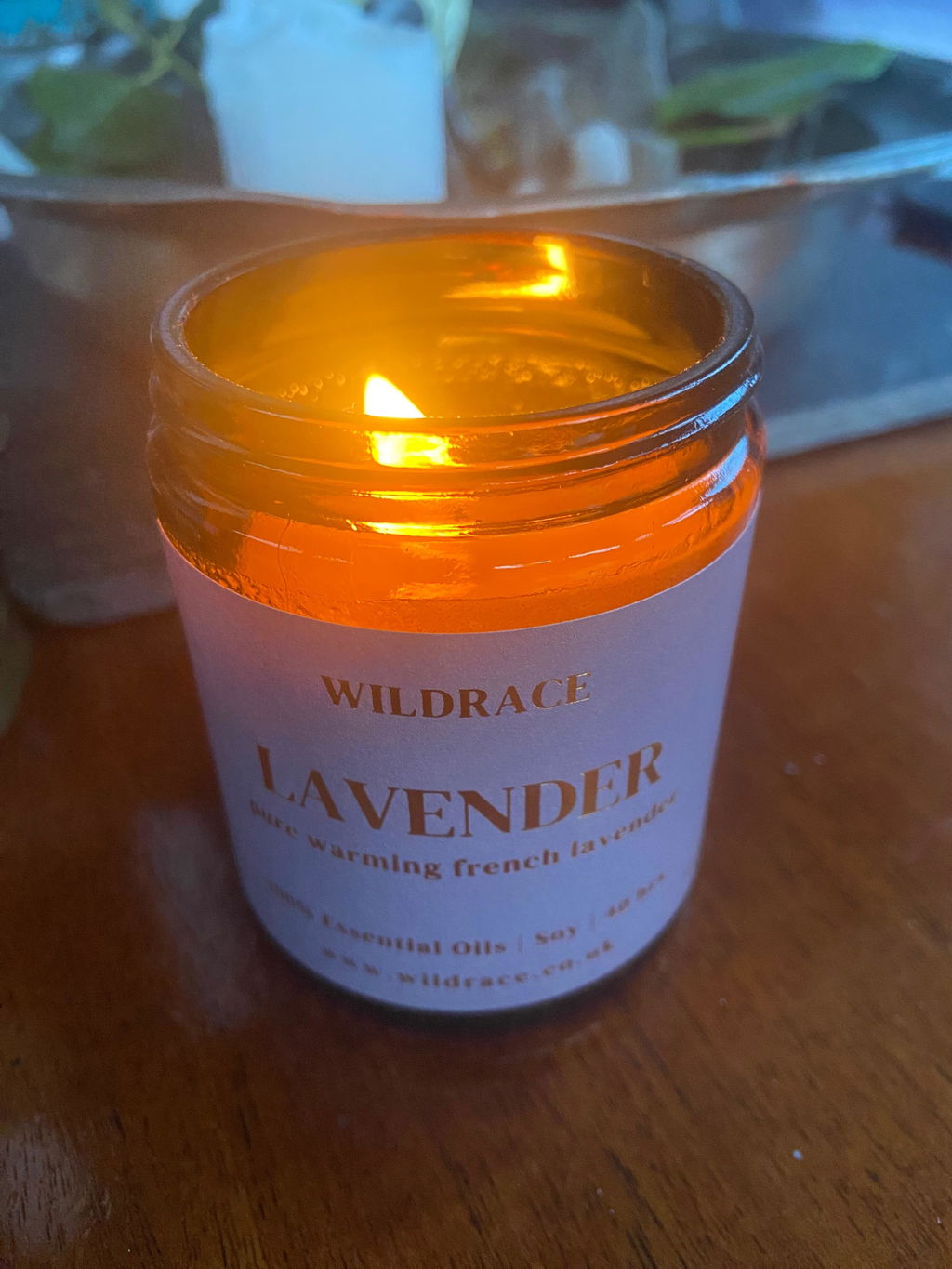
That’s also why we’ve always been drawn to essential oil-led candles. They feel closer to the plants themselves. Less constructed, more familiar. A way of bringing the feeling of a garden indoors, especially for those who don’t have access to outdoor space.
Because not everyone has a garden. And that’s exactly why allotments matter so much. They extend the possibility of growing into shared spaces, into communities, into small plots of land that become something much bigger than they first appear.
In a way, they remind us that connection to nature isn’t about scale - it’s about attention.
And that same idea carries through into scent.
Whether it’s lavender for calm, thyme for grounding, or lemon verbena for brightness, these botanicals continue to shape how we create. Not as abstract ideas, but as living references to something real. Our Greenhouse candle came directly out of this thinking. I wrote a whole post on how that scent came together.
As we move through the seasons, these natural rhythms become even more present. Gardens shift, allotments change, and the scents we gravitate towards begin to soften, warm, and deepen in response.
It all begins in the same place: the soil.