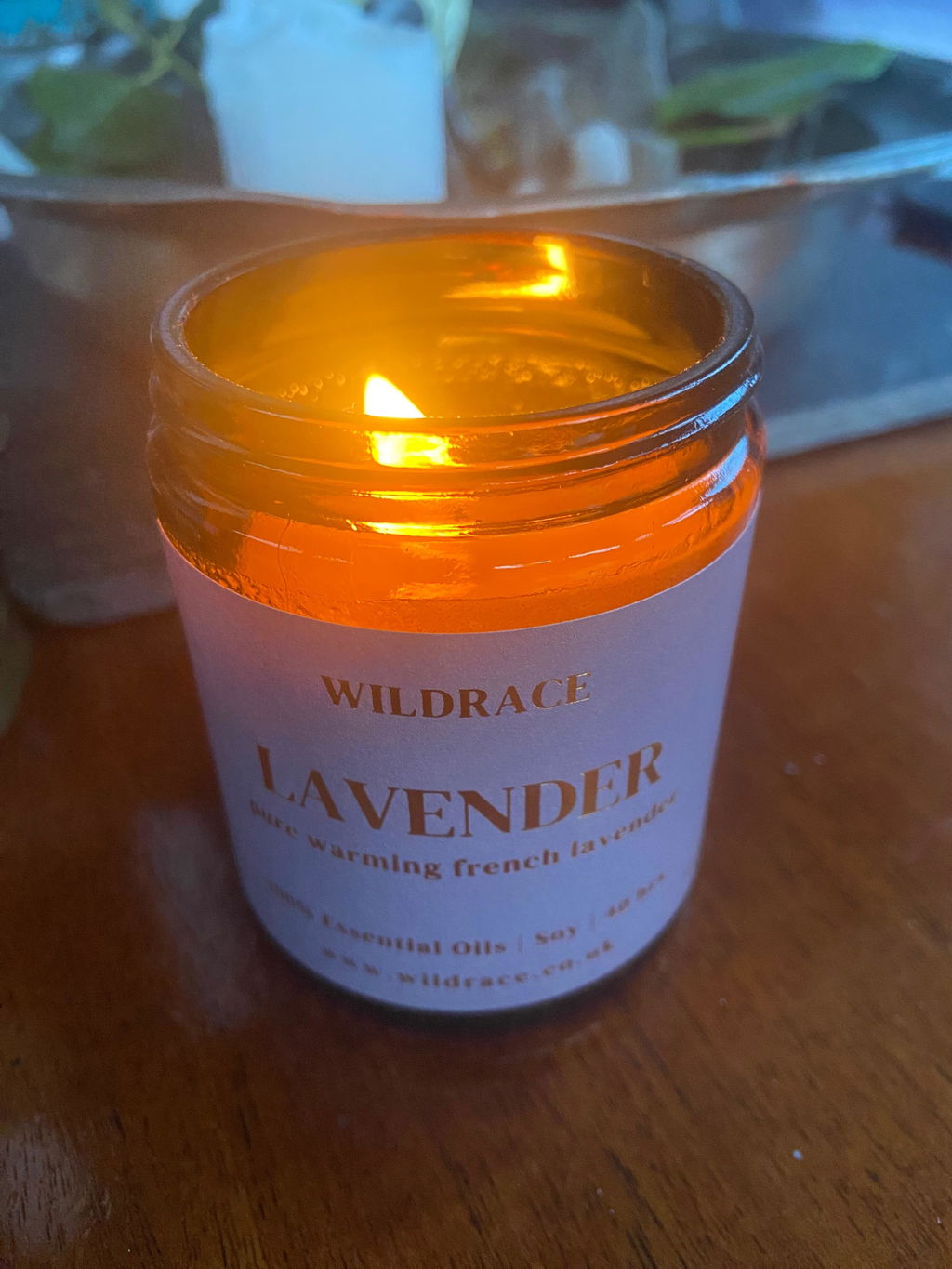
In a world that celebrates productivity, busyness, and being constantly available, taking time for yourself can often feel like a luxury. But science suggests the opposite. Self-care isn't selfish, it's one of the most important investments you can make in your health, wellbeing, productivity, and happiness. These small moments of recovery can have a surprisingly powerful impact on how you feel throughout the week.
What Is Self Care?
Self-care is any activity that supports your physical, mental, or emotional wellbeing. Contrary to popular belief, it doesn't have to involve expensive spa days or elaborate wellness routines. In reality, effective self-care is often simple:
-
Getting enough sleep
-
Spending time outdoors
-
Taking a break from screens
-
Connecting with loved ones
-
Creating a relaxing evening routine
-
Setting boundaries with work
-
Making time for hobbies you enjoy
At its core, self-care is about intentionally creating space to recharge.

Why Self Care Matters
Many of us spend our days moving from one responsibility to the next - work emails, family commitments, household chores, endless notifications, and growing to-do lists. As a result, our minds rarely get the opportunity to properly switch off.
Researchers refer to this as psychological detachment - the ability to mentally disconnect from work and stress during your downtime. Studies have found that people who successfully switch off experience better wellbeing, improved sleep quality, lower exhaustion levels, and greater engagement when they return to work.
In other words, rest isn't the opposite of productivity. It's what makes productivity possible.
Benefits of Self Care
✔ Reduced stress and anxiety
✔ Better sleep quality
✔ Improved focus and concentration
✔ Greater emotional resilience
✔ Increased productivity
✔ More energy throughout the week
✔ Improved overall wellbeing
The Weekend Effect: Why Recovery Improves Performance
Have you ever noticed that some Mondays feel easier than others?
Research suggests there's a reason why. People who spend their weekends genuinely recovering from the demands of the week often return feeling more energised, refreshed, and capable of performing at their best. Activities such as relaxation, hobbies, spending time outdoors, and mentally disconnecting from work have been linked to better performance and reduced fatigue during the following week.
Looking after yourself isn't taking time away from your goals. It's helping you achieve them.
The Link Between Self Care and Sleep
Sleep is one of the most powerful forms of self-care available.
When we're stressed, overwhelmed, or mentally overstimulated, sleep often suffers. Unfortunately, poor sleep can then increase stress levels further, creating a cycle that's difficult to break. That's why many experts recommend creating a calming evening routine that signals to your body that it's time to unwind.
Simple habits can make a big difference:
-
Dimming the lights
-
Limiting screen time before bed
-
Reading a book
-
Taking a warm bath
-
Drinking herbal tea
-
Practising mindfulness
-
Lighting a calming essential oil (sleep aid) candle

These small rituals help create a clear boundary between the demands of the day and the rest your body needs.
The 30 Minute Self Care Ritual
Self-care doesn't need to take hours. Sometimes 30 minutes is enough.
Try this simple ritual:
-
Put your phone on silent.
-
Make your favourite hot drink.
-
Light a candle and dim the lights.
-
Read, journal, stretch, or simply sit quietly.
-
Give yourself permission to do absolutely nothing productive.
The goal isn't to achieve something. The goal is to recover.
25 Self Care Ideas To Try This Week
Need inspiration? Here are some simple self-care ideas that can help reduce stress and improve wellbeing:
🕯️ Light your favourite candle and spend 30 minutes without screens
📖 Read a chapter of a book
🛁 Take a long bath
🎵 Listen to a calming playlist
☕ Enjoy a slow morning coffee
🌿 Spend time outdoors
🚶 Go for a walk in nature
✍️ Journal your thoughts
🧘 Try a guided meditation
📵 Have a phone-free evening
🎨 Get creative with a hobby
💧 Focus on staying hydrated
🥗 Cook yourself a nourishing meal
😴 Prioritise an earlier bedtime
🌅 Watch the sunrise or sunset
💐 Buy yourself flowers
📞 Call a friend
🍿 Watch your favourite comfort film
🧁 Bake something delicious
🐕 Spend time with your pet
🏡 Declutter one small area of your home
📸 Look through old photographs
🎧 Listen to a podcast
🧩 Complete a puzzle
🌲 Visit a local park or woodland

Why Small Rituals Matter
One of the biggest misconceptions about self-care is that it has to be grand or expensive to be effective. In reality, consistency matters far more than complexity. Small rituals repeated regularly help create moments of calm throughout the week. They provide opportunities to slow down, reset, and reconnect with yourself before stress has the chance to build up. For many people, something as simple as lighting a candle at the end of the day becomes a signal that work is finished and it's time to relax.
Final Thoughts
We often treat self-care as something we'll get around to when life becomes less busy. But the truth is, life rarely slows down on its own. Self-care is choosing to slow down anyway. Whether it's a quiet evening with a book, a walk in nature, an early night, or a relaxing candle-lit routine, those moments aren't wasted time. They're investments in your wellbeing.
Because when you take care of yourself, everything benefits - your sleep, your focus, your relationships, your productivity, and your ability to enjoy the life you're working so hard to build.